The Space Before the Whistle: On Stillness in Sport
There's a version of every sport that never makes the highlight reel. It's not the buzzer-beater, not the diving save, not the photo finish. It's the moment before any of that — the ball resting on the line, the court empty, the gym quiet enough to hear the hum of the lights. Nothing has happened yet. Everything is still possible.
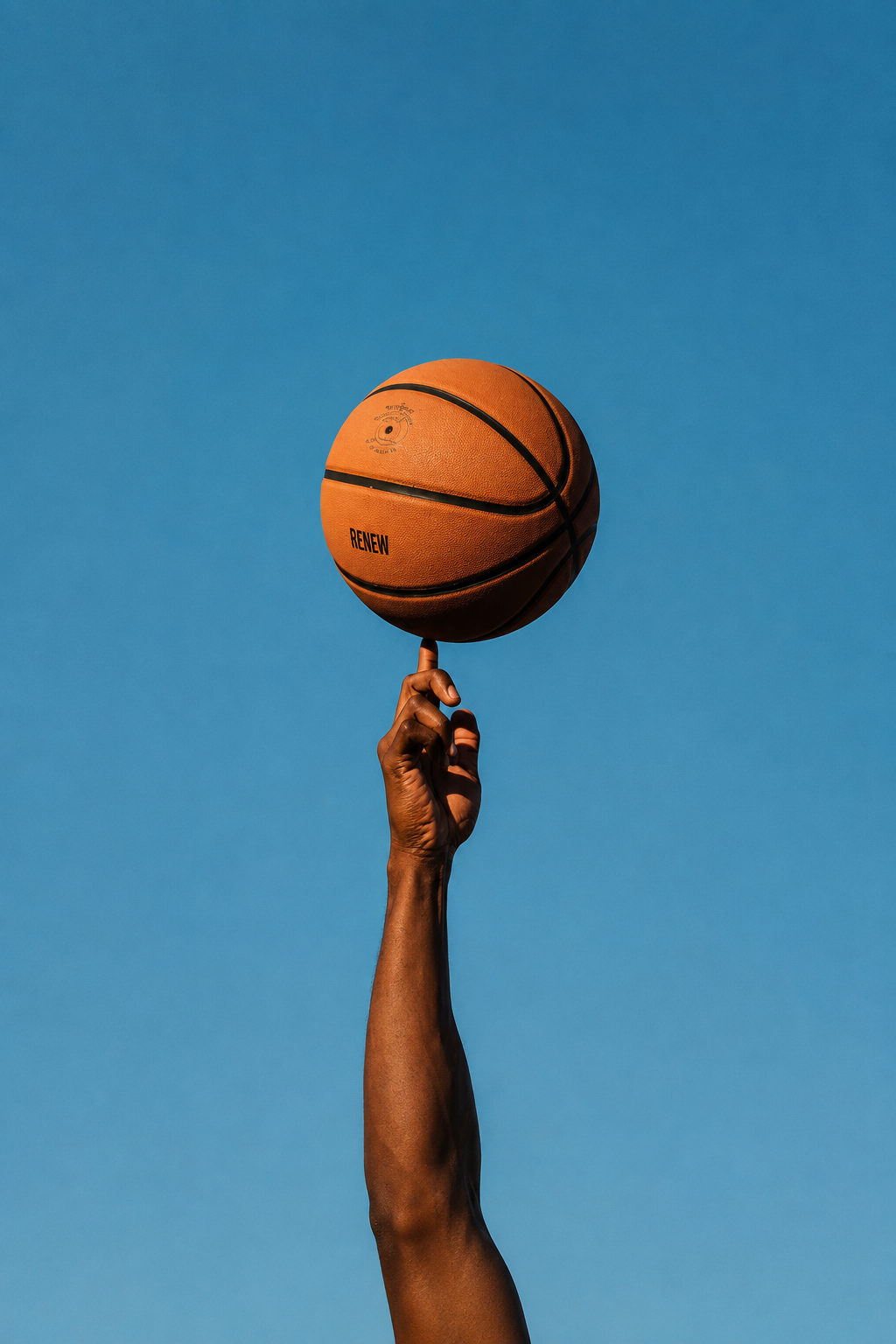
That's the moment this photograph holds. A basketball, seams catching the low afternoon sun, sitting exactly on the boundary line of a court with no one in it. It shouldn't be interesting. A ball is just a ball. And yet there's something almost unbearably tense about it — because we know what a basketball is for. We know the noise it's supposed to make against hardwood, the roar it's supposed to trigger. Its stillness here reads less like rest and more like held breath.
The Line Means Nothing Until Someone Crosses It
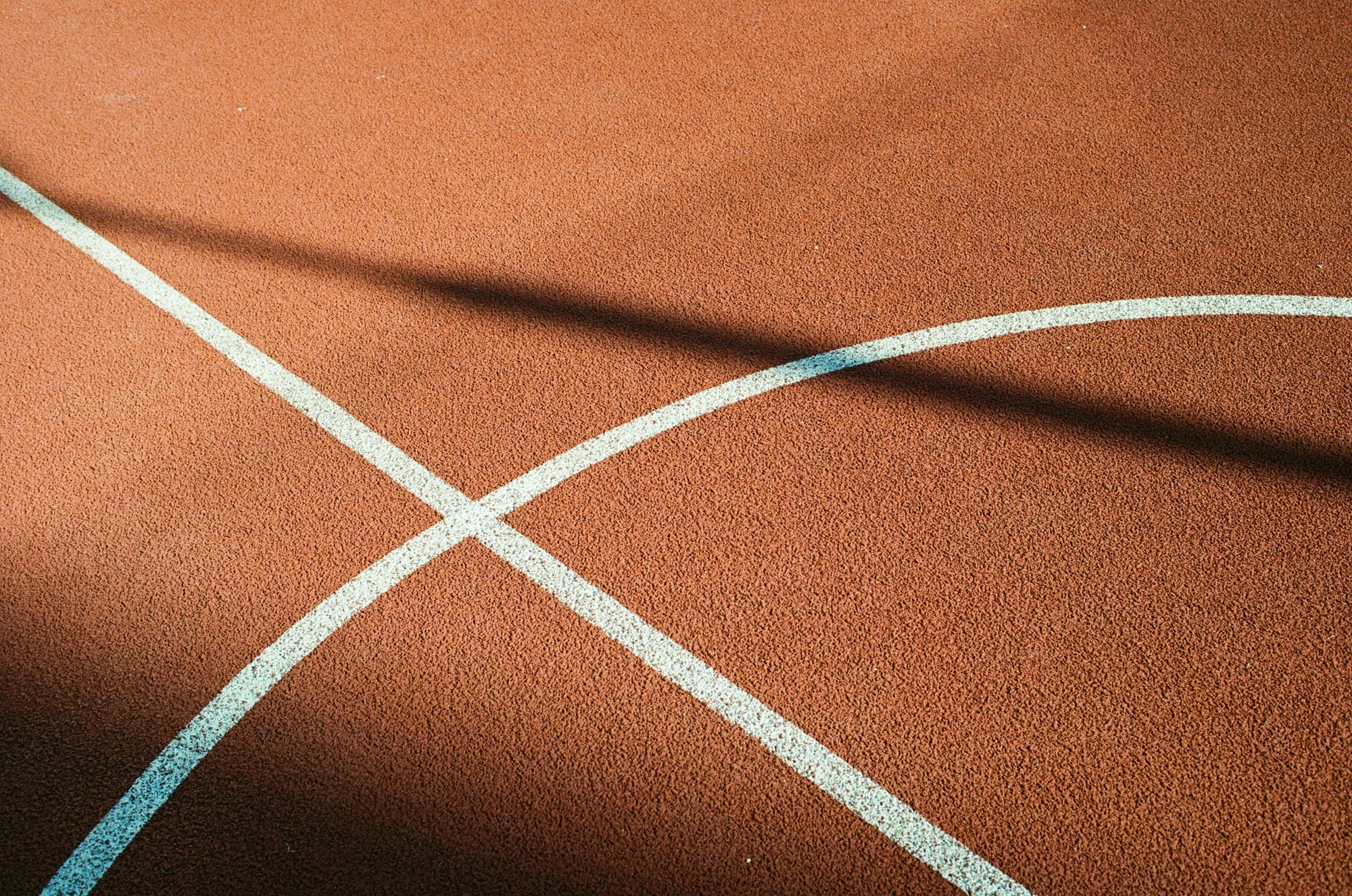
A boundary line on a court is one of the strangest objects in sport — a piece of paint that has no power at all until a human body gives it meaning. Step over it with the ball under control, and it's a legal possession. Step over it wrong, and it's a turnover. The line itself never changes. Only our relationship to it does.
That's true of most rules in sport, and arguably true of most rules in life. They are inert until we act. A basketball resting directly on top of the line isn't in violation of anything — because nobody is playing. The moment a player picks it up, the line stops being decoration and starts being consequence.
A game doesn't begin with the first point. It begins with the first decision to treat the line as real.
Why We're Drawn to the Pause
Sports broadcasting has trained us to crave the climax — the slow-motion replay, the crowd noise swelling, the commentator's voice cracking mid-call. It's easy to forget that athletes spend far more of their careers in the pause than in the peak. The free throw routine. The set position before the sprint. The held breath before the serve.
Elite performers talk about this pause with a kind of reverence that outsiders rarely expect. It's not dead time to them. It's where the actual work happens — the visualization, the breath control, the quieting of a mind that wants to rush ahead to the outcome. The image of a motionless ball on an empty court is, in a strange way, a portrait of that internal state. Calm on the outside. Everything about to happen underneath.
The Discipline of Not Yet
There's a particular kind of discipline in not yet — in a player who could shoot, could sprint, could dive, but hasn't, because the moment isn't right. Coaches spend years trying to install this patience in athletes who are, by temperament, built for urgency. The best ones learn to sit inside the pause without flinching, to let the stillness do its work before the explosion does.
Watch any great free-throw shooter and you'll see the same three seconds, every single time — the same bounce count, the same exhale, the same fixed point on the rim. It looks like nothing. It is, in fact, the whole game compressed into a ritual small enough to hold.
The Community That Built Itself
Before skateparks were funded by municipalities, before brands decided that skate aesthetics moved product, before the Olympics made it legible to mainstream sports culture — skateboarding built its own infrastructure.
The spots were found, not made. The footage was shot on consumer cameras by friends. The magazines were produced by skaters for skaters. The culture was transmitted through VHS tapes passed between kids who had no other way to see what was being done elsewhere. The community policed its own standards — not through formal institutions but through the informal, occasionally brutal, highly effective social mechanisms of a group of people who shared a practice and took it seriously.
This self-sufficiency — the capacity to build what you need when the mainstream won't provide it — is part of what has made skateboarding so durable across decades that have seen dozens of youth cultures rise and dissolve. It doesn't require permission. It doesn't require approval. It requires a board, a surface, and the willingness to keep trying.
What the Empty Court Remembers
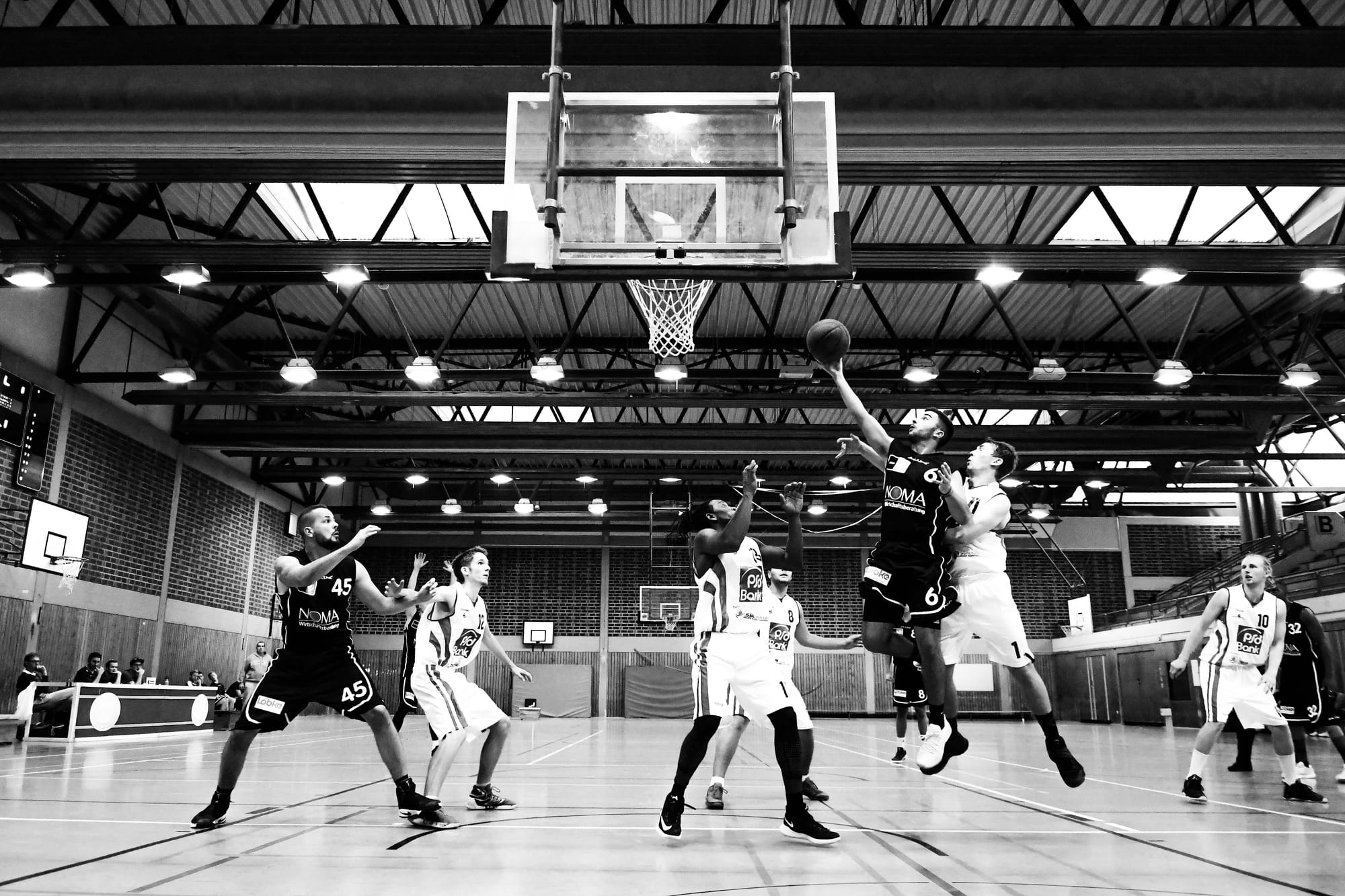
Courts don't stay empty for long, and lines don't stay uncrossed. But there's something worth sitting with in the brief window when they are — a reminder that every rivalry, every comeback, every championship banner started as exactly this: an inert object on a painted line, waiting for someone to decide it mattered.
The next time you watch a game and feel the urge to skip ahead to the score, try lingering instead on the pause before the play. That's where the sport actually lives. The rest is just what happens after someone finally moves.