The Places That Don't Need a Filter
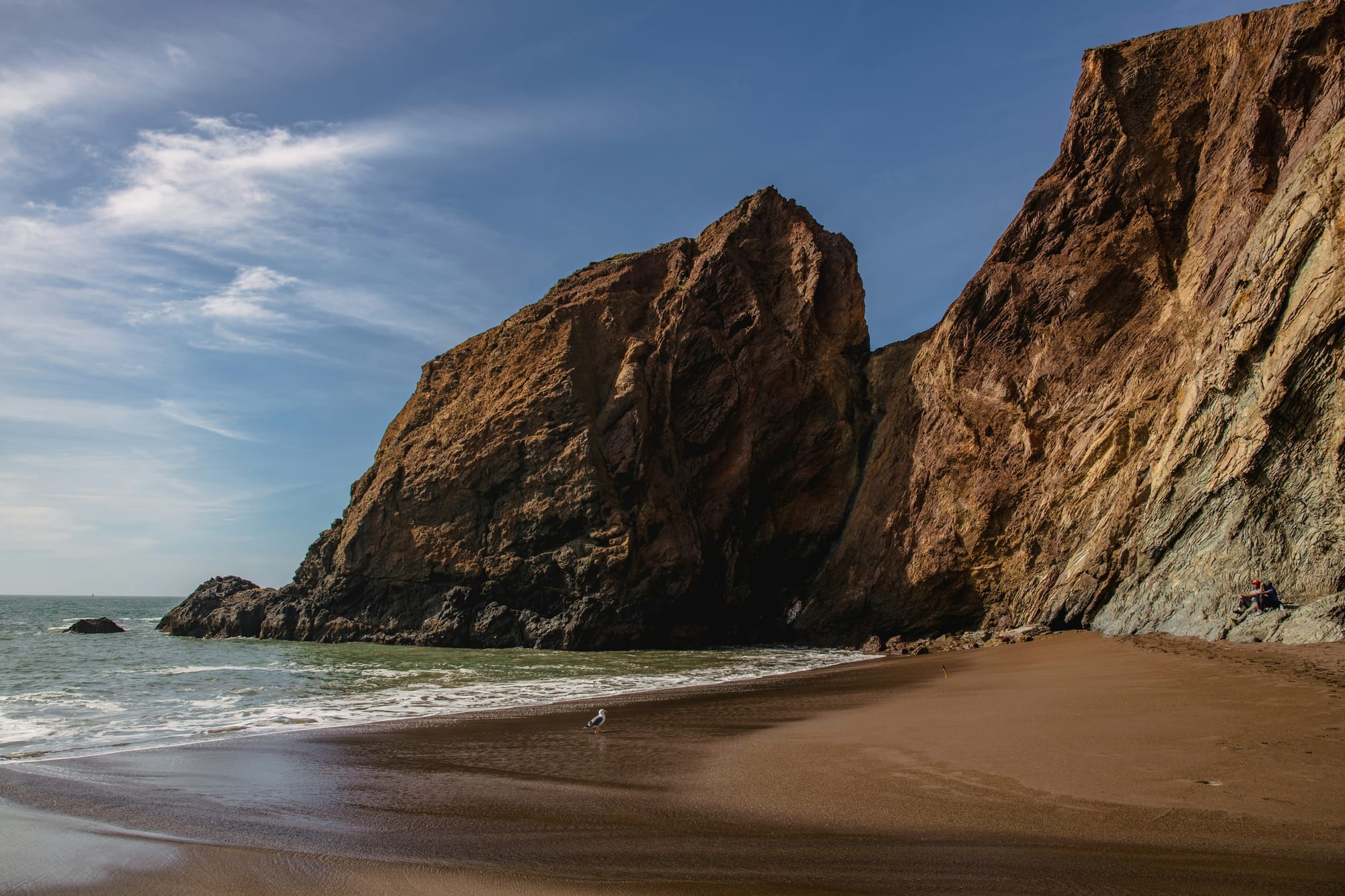
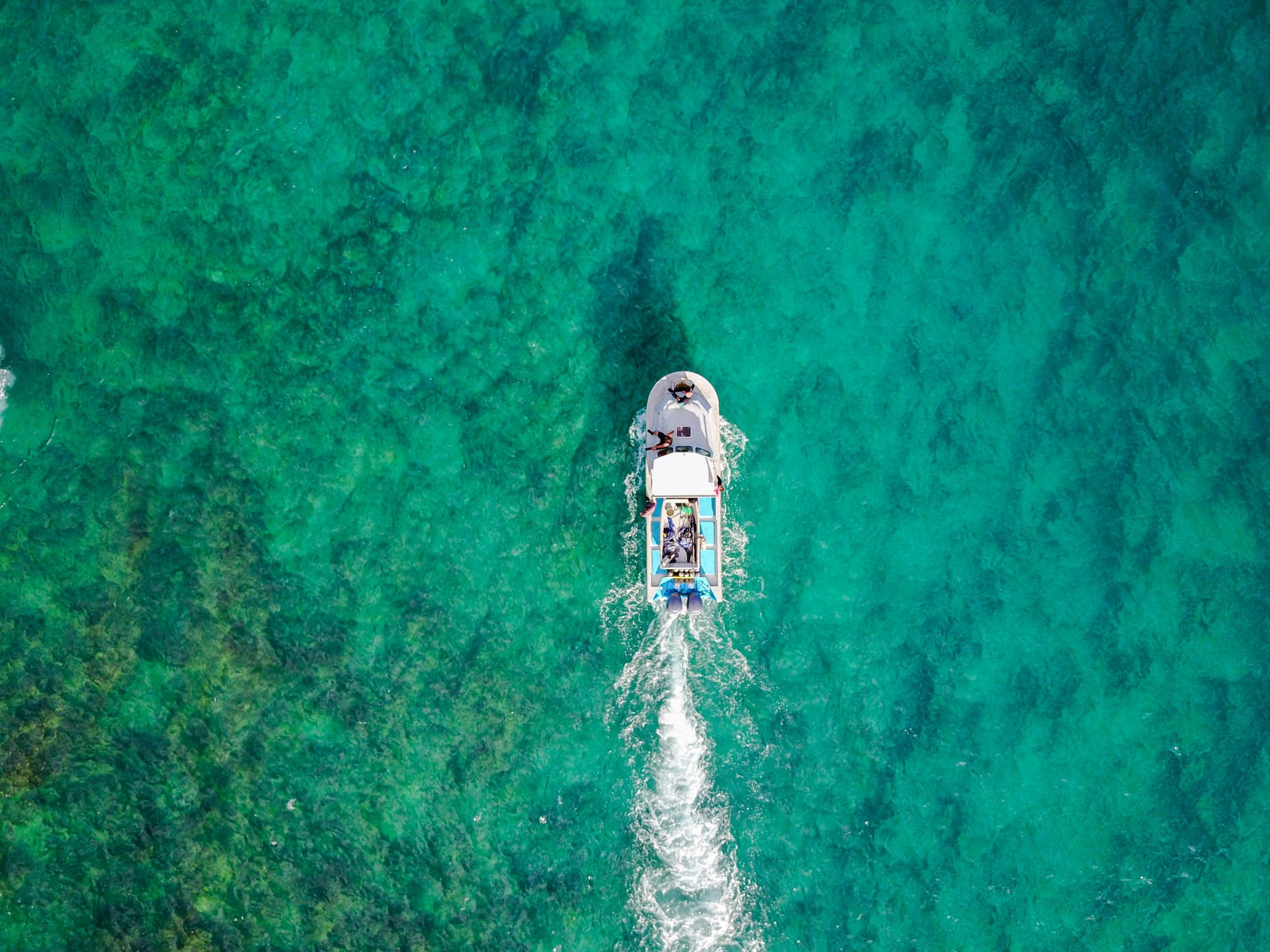
There's water like this in a hundred photographs a day, and still, somehow, it stops you. Turquoise gone almost translucent where it thins over pale stone, rocks breaking the surface with barely a wave to soften them, the seabed visible in a way that feels almost like cheating — like someone removed a layer reality is supposed to have.
No filter did this. No saturation slider. This is what a coastline looks like when the water is simply clean enough, the light simply right enough, that the ordinary rules of "you can't really see the bottom" stop applying. It's the kind of place travel photography exists to chase, and increasingly, the kind of place that's harder to find un-crowded than it used to be.
The Vanishing Category of "Undiscovered"
Every generation of travelers has believed, at some point, that they were the last to see a place before it changed. That belief is usually half-right. Coastlines like this one — clear enough to photograph the rock formations three feet under the surface — used to require real effort to reach: a hike, a boat, a local's tip passed hand to hand rather than posted publicly. That effort was, itself, a kind of filter. It kept places quiet not through secrecy but through friction.
Much of that friction is gone now. A single well-tagged photo can turn a quiet inlet into a scheduled stop on a dozen itineraries within a season. This isn't a complaint about other travelers — everyone deserves to see water this clear in person. It's an observation about a shrinking category: places you can still stumble into without a plan, rather than places you now need a plan specifically to avoid the crowd.
What Clear Water Actually Requires
It's worth pausing on why this water looks the way it does, because the reasons are more fragile than the photograph suggests. Clarity like this depends on a narrow set of conditions holding steady: minimal runoff, healthy seabed ecology, low boat traffic disturbing sediment, water temperature and current patterns that keep things settled rather than churned. Remove any one of those and the turquoise dulls fast.
That fragility is easy to forget when you're only looking at a still image. The rocks in this photograph aren't just scenic — they're evidence of an ecosystem that's currently, at this moment, in balance. Travel photographs like this one function almost as a snapshot of an equilibrium, one that a single bad season of runoff or overuse could visibly disturb.
The water isn't clear because nothing has happened here. It's clear because, so far, nothing has happened here badly enough to cloud it.
Traveling Toward Quiet, Not Away From People
There's a lazy version of "off the beaten path" travel that's really just about avoiding other tourists — a kind of exclusivity dressed up as adventure. The more honest version, and the one worth aiming for, is about pace rather than crowd size. A place like this rewards slowness in a way busy landmarks structurally can't. You don't rush past water this clear. You sit at the edge of it, let your eyes adjust to how far down you can actually see, and let that specific, quiet astonishment do something a checklist stop never will.
That's really the distinction worth chasing when you travel: not "did I find somewhere nobody else has," which is nearly impossible now, but "did I give myself enough unstructured time somewhere to actually notice it." The second one is still entirely available, crowds or not.
Leaving It the Way You Found It
The unglamorous truth about places like this is that their survival depends less on being discovered and more on how the people who find them behave once they're there. Anchor away from the rocks. Pack out what you bring in. Resist the urge to add one more geotagged pin pointing a hundred more people at the exact same six feet of coastline. None of that is dramatic advice. It's also, quietly, the only thing standing between water this clear today and water that isn't, five seasons from now.
The rocks will likely still be here for a long time regardless of what any of us do. The clarity around them is the part that isn't guaranteed — and it's worth treating it, while you're standing at the edge of it, like something that actually is.