The Confidence of Something That Never Asked to Be Liked
Unwatched
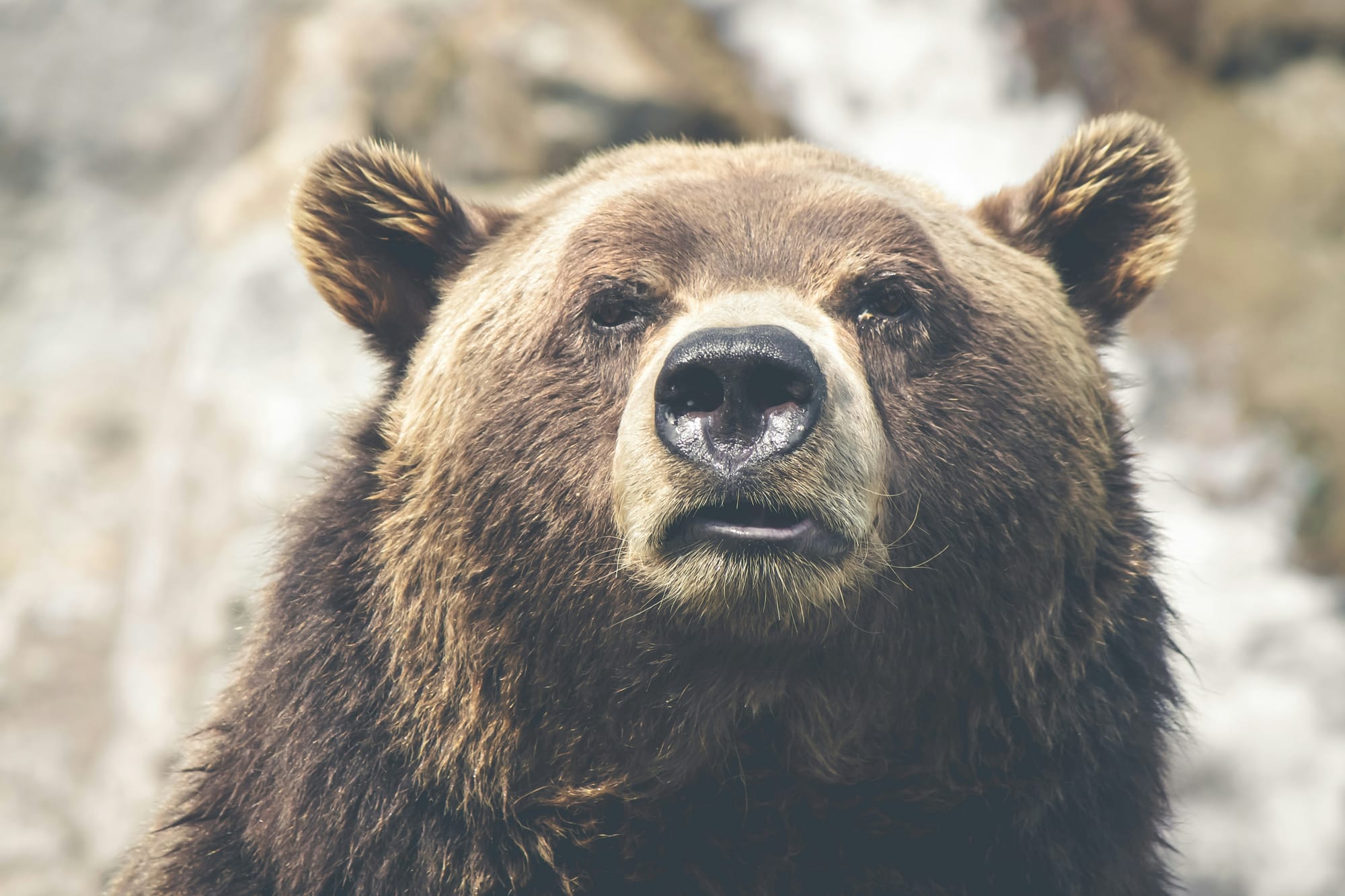
There's a specific kind of stillness in an animal that knows it isn't being judged. Not aggression, not fear, not even curiosity in the way we usually mean it — just presence, unbothered, taking up exactly as much space as it takes up, with no interest in whether that space is impressive.
Humans rarely get to experience this. Almost everything we do carries some faint awareness of being watched, even when nobody's actually watching — a habit built from a lifetime of being evaluated, ranked, photographed, commented on. We've forgotten what it feels like to simply exist without also managing how the existing looks.
Watch an animal in its own territory for long enough and you start to notice what's missing. There's no self-consciousness in the posture. No adjustment for an audience. The confidence isn't confidence in the way we use the word — a thing performed, projected, worked on — it's just the absence of ever having learned to doubt the space it occupies.
This is easy to romanticize and worth resisting a little. The animal isn't confident in some enlightened, admirable sense. It never had the option to be anything else. Self-consciousness is a specifically human burden, built from language, from mirrors, from millennia of living inside groups that reward some behaviors and punish others in full view of everyone.
What the Wild Never Learned
Watch an animal in its own territory for long enough and you start to notice what's missing. There's no self-consciousness in the posture. No adjustment for an audience. The confidence isn't confidence in the way we use the word — a thing performed, projected, worked on — it's just the absence of ever having learned to doubt the space it occupies.
This is easy to romanticize and worth resisting a little. The animal isn't confident in some enlightened, admirable sense. It never had the option to be anything else. Self-consciousness is a specifically human burden, built from language, from mirrors, from millennia of living inside groups that reward some behaviors and punish others in full view of everyone.
"Self-consciousness is a specifically human burden. The wild never had to learn it."
The Gap Nobody Else Can See
But there's still something worth taking from it, even accounting for the difference. Most of what we call insecurity isn't really about ability. It's about the gap between what we're doing and how we imagine it looks from outside — a gap the animal simply doesn't have, because it never developed the outside view in the first place.
That gap is invisible to everyone except the person carrying it. Nobody watching you hesitate can see the imagined audience you're hesitating for — they just see the hesitation, and usually assume it means less than you think it does.
The Weight of Being Seen
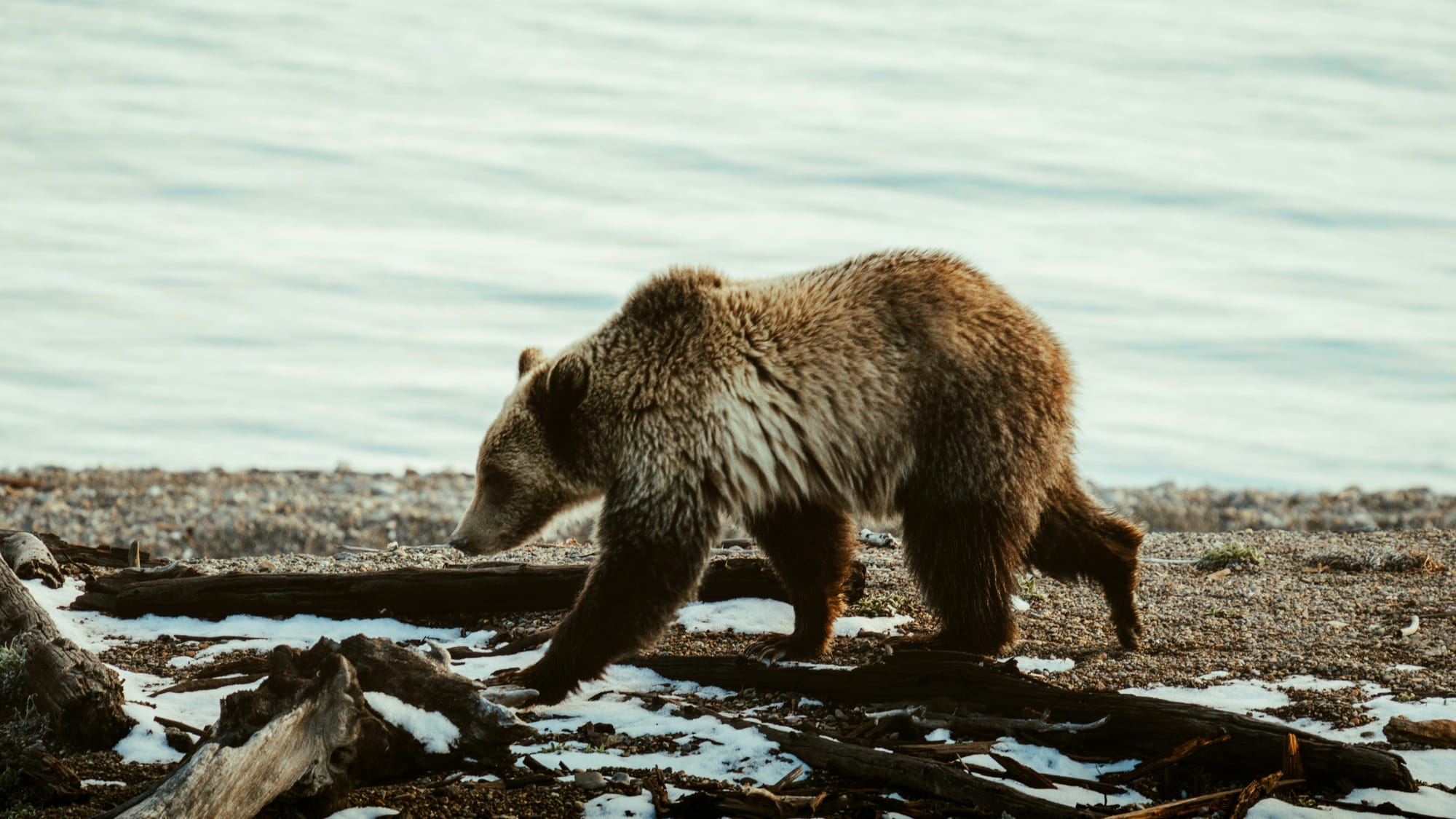
There's a reason certain photographs of animals stop people mid-scroll, and it's rarely about the animal's beauty in any conventional sense. It's the directness of the gaze — unfiltered, unposed, utterly unconcerned with being looked at, which is a rare enough sight that it registers almost as a kind of relief.
We're so used to filtered attention, curated expressions, faces arranged slightly for whoever might be looking, that an unarranged one reads almost as an anomaly — startling not because it's unusual in nature, but because it's become so unusual in anything we regularly see.
The Human Habit
Consider how differently humans photograph. Almost every human photo, even a candid one, carries some trace of the awareness that it might be seen — a held expression, a chosen angle, a small unconscious adjustment for the eventual audience. We've built an entire visual language out of managing how we're perceived, so thoroughly that its absence, in a photo of something else entirely, feels almost startling.
This habit doesn't stay confined to photographs. It leaks into how we speak in meetings, how we walk into rooms, how we phrase a text message three times before sending it — a low, constant hum of audience-management running underneath almost everything we do.
"Most hesitation isn't a real obstacle. It's an imagined audience that was never actually watching."
A Discipline, Not a Trait
There's a specific discipline some people build around this, deliberately — doing the thing before checking how it looks, speaking before rehearsing the delivery, moving through a room the way an animal moves through its own territory, without first asking permission from an imagined observer. It rarely comes naturally. It's usually built slowly, through repeated, uncomfortable practice.
It looks, from the outside, a little like confidence. From the inside, it usually feels more like a decision, repeated often enough to stop requiring conscious effort — closer to a habit than to a personality trait anyone was simply born with.
What Wasn't Actually There
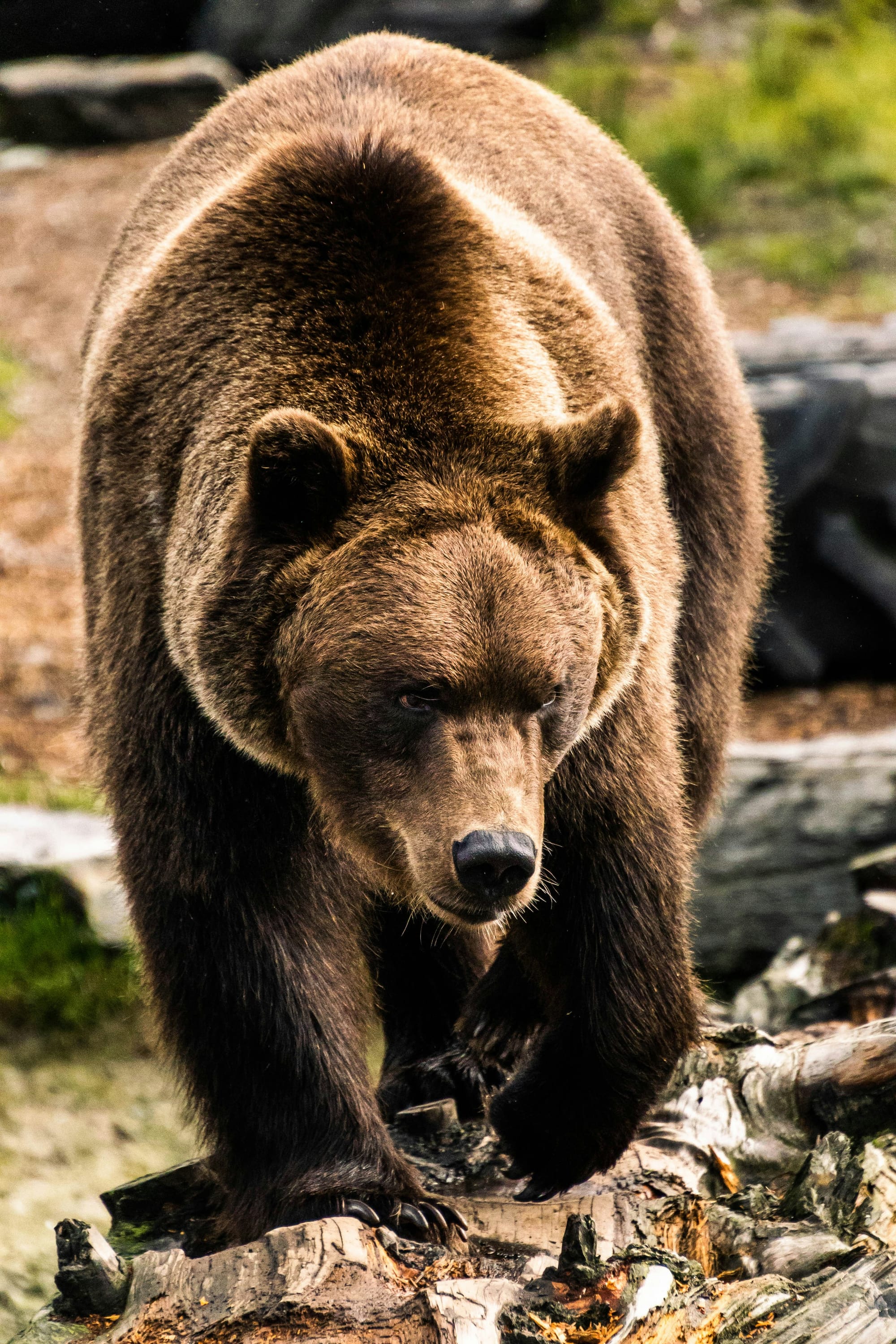
What's worth remembering, looking at a photo like this, isn't a lesson about bravery in the dramatic sense. It's smaller and more useful than that: most of what stops us isn't a real obstacle. It's the imagined reaction of someone who was never actually watching that closely in the first place.
Take that imagined audience away, even briefly, and most hesitation loses its footing. There was rarely anything solid underneath it to begin with.
"Being simply itself is the rarest thing in the picture."
The Rarest Thing in the Picture
The animal in the photo isn't inspiring because it's strong, or wild, or beautiful, though it's all three. It's inspiring because for one frame, it's simply itself, entirely unaware that being simply itself is the rarest thing in the picture.