Chasing the Edge: How Extremity Became the Trend
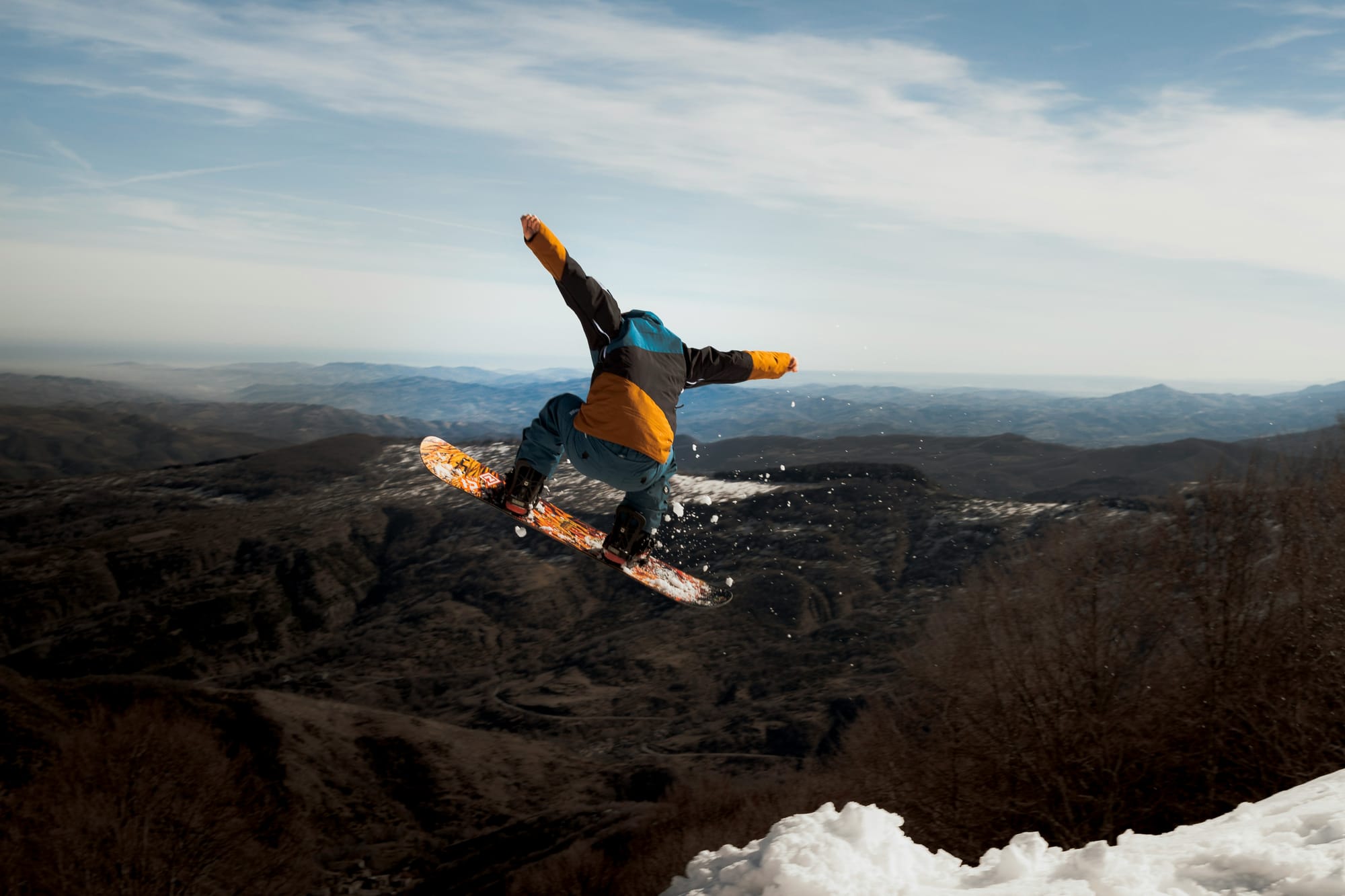
There's a split second, captured here, where a snowboarder hangs entirely disconnected from the mountain — knees bent, gloves flexed, snow still exploding off the lip of the jump behind them. No slope under the board. No safety net in frame. Just a body, a peak, and a sun cresting the ridgeline like it showed up specifically for this shot.
Ten years ago, an image like this belonged to a narrow subculture — ski magazines, energy-drink sponsors, a small audience of people who already understood the appeal. Today it circulates everywhere, admired by people who will never strap into a binding in their lives. Something shifted. Extremity, once a niche, has become a trend with mainstream reach — and it's worth asking why.
From Fringe Sport to Aspirational Lifestyle
Extreme sports used to sell themselves on danger alone — the thrill was the whole pitch, aimed at people already wired for risk. What changed is the packaging. Somewhere in the last two decades, brands, media, and platforms figured out that the aesthetic of extremity — the composition, the light, the suspended-in-air stillness of a single frame — could be sold separately from the actual risk. You don't need to snowboard off a Himalayan ridge to want to look at, and be moved by, a photograph of someone who did.
That separation is the real trend. Not more people jumping off mountains — more people consuming the image of jumping off mountains, and building identity around proximity to that image, even at a comfortable, screen-lit distance.
What swimming taught him, over hundreds of thousands of laps across eleven years, was that resistance is not the enemy. It is the medium. You don't get to the other end of the pool by eliminating the water. You get there by learning to move through it efficiently — to make yourself as clean as possible, to reduce drag, to find the line of least resistance within a fundamentally resistant environment.
"That reframe changed everything for me," he says. "I stopped trying to eliminate the difficulty and started asking: how do I move through this more efficiently?"
The Economy of Awe
Attention, as a resource, rewards intensity. A calm photograph of a mountain range asks for a glance. A photograph of a human body defying that same mountain range asks for a stop, a study, sometimes a share. Platforms have quietly learned this, and the algorithms that decide what gets amplified have learned to favor content that produces a physical reaction — the held breath, the small flinch, the "how did they get this shot" moment.
This has created what might be called an economy of awe: creators and brands competing not just for likes, but for the physiological jolt that makes a viewer stop scrolling. Extreme sports content is almost perfectly built for that economy. It doesn't need explanation. The image does the entire job in under a second.
The trend was never really about the mountain. It was about manufacturing the exact half-second where a viewer forgets to breathe.
Why Comfort Culture Needed a Counter-Trend
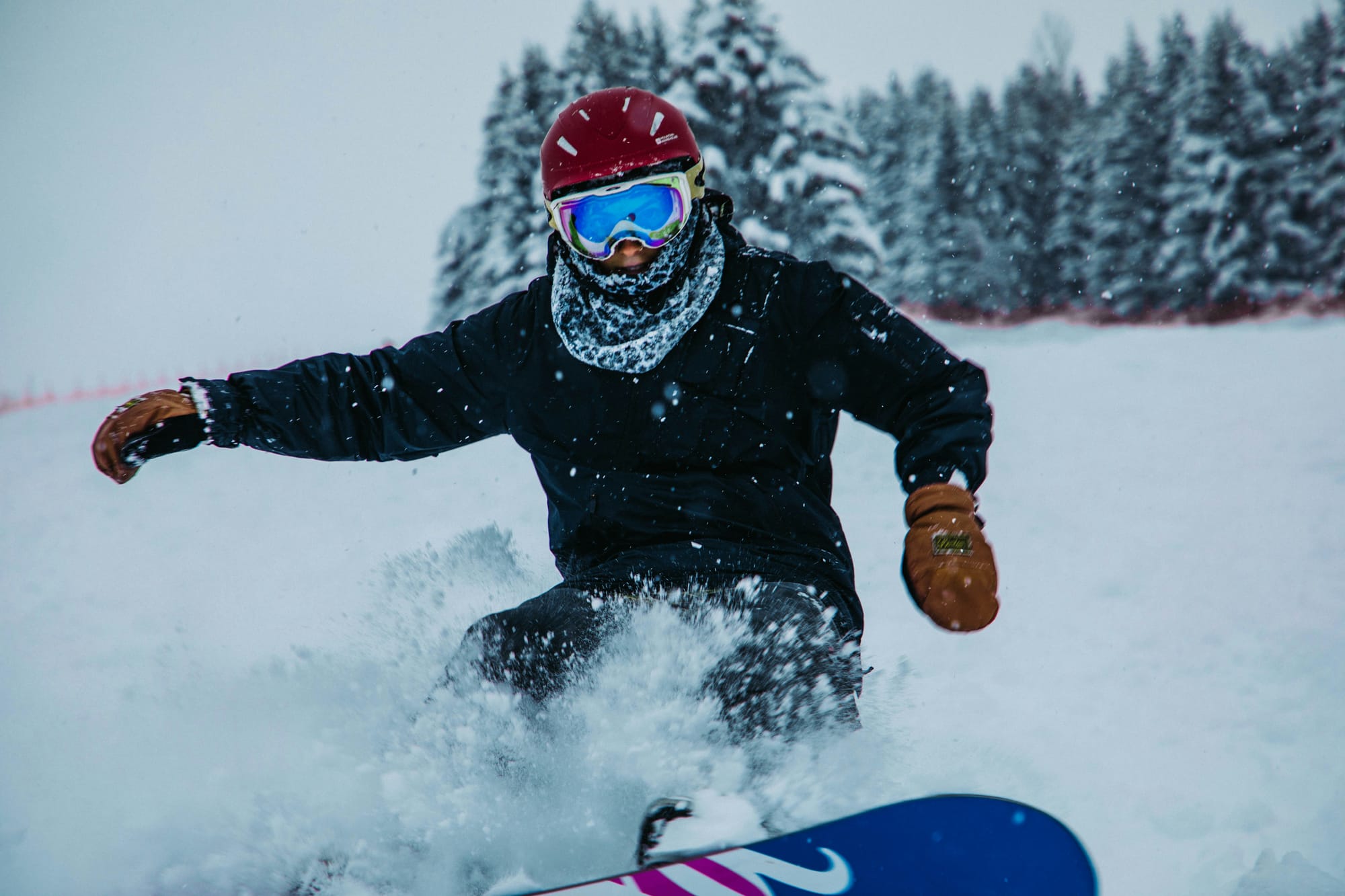
There's a reasonable theory for why this aesthetic took off precisely when it did. As daily life for much of the world grew more mediated, more indoor, more climate-controlled and screen-bound, a counter-current emerged — a hunger for images that proved someone, somewhere, was still doing something genuinely uncertain. The snowboarder mid-air isn't just athletic content. It's a kind of reassurance: evidence that the world still contains stakes.
That's a large part of why "extreme" content performs so well among audiences who have zero intention of ever replicating it. It isn't aspirational in the literal sense. It's aspirational in a more abstract way — a reminder that intensity still exists, even if most of us are experiencing it secondhand, from a couch.
The Cost of Selling the Edge
Every trend eventually runs into its own contradiction, and this one is no exception. The more extreme sports imagery gets optimized for shareability, the more pressure builds on the athletes and creators actually producing it to push further — bigger jumps, higher peaks, riskier angles — not because the sport demands it, but because the algorithm does. Several well-documented incidents in adventure content over the past few years trace directly back to that pressure: content chasing virality outrunning the judgment that used to keep the sport survivable.
That's the quiet cost sitting underneath a photograph like this one. The image is genuinely thrilling. It's also, in some part, a product of an incentive structure that rewards the appearance of risk being pushed just slightly further than the last viral clip.
Watching From the Ridge, Not the Air
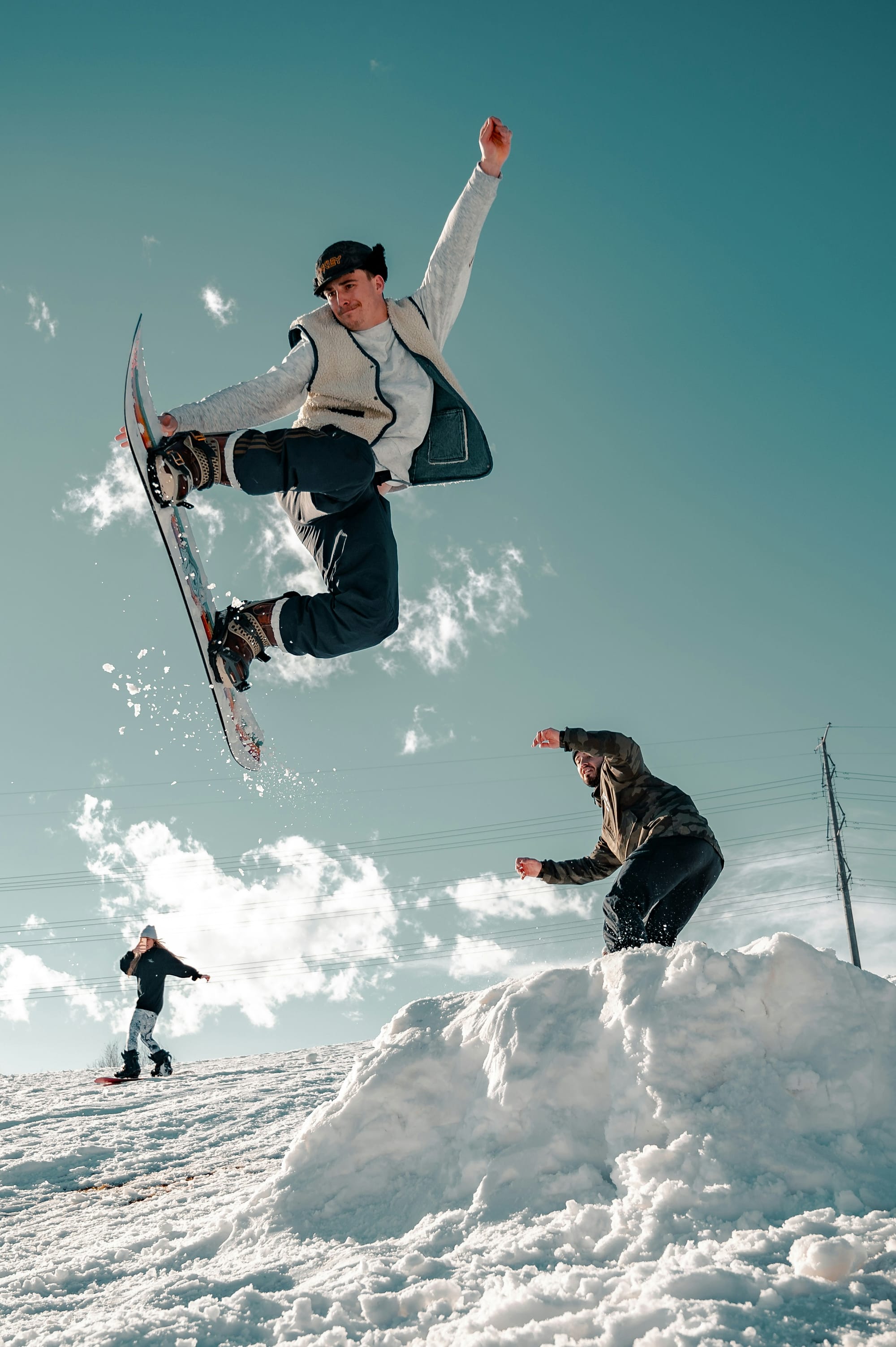
None of this means the awe isn't real — it is, and images like this one earn their impact honestly. But it's worth holding two things at once: appreciation for what a moment like this actually took, and a small awareness of the machine that decided this particular moment deserved to travel as far as it has.
The mountain doesn't care about any of that, of course. It was there before the trend and it'll be there after. The snowboarder, for one suspended second, got to borrow its indifference — and that's the part no algorithm can manufacture.